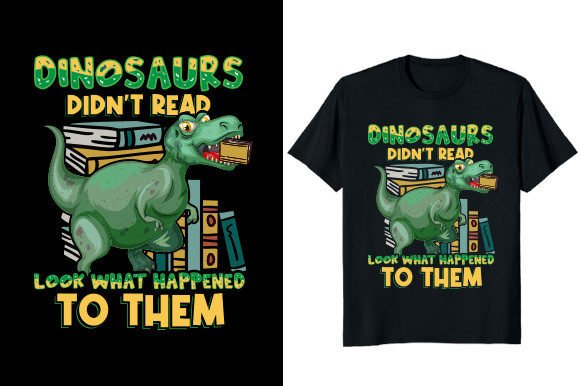
Dinosaurs Didn't Read Look What Happened
As a designer and embroidery product reviewer, I've evaluated countless machine embroidery designs. Dinosaurs Didn't Read Look What Happened stands out for its playful tone and visual appeal, but it's not without its nuances. This design is ideal for custom apparel, tote bags, and personalized gifts, but its performance in real-world embroidery projects depends on how it's applied.
First Impressions: A Playful Design with Practical Potential
The first thing that catches your eye is the bold, humorous message. The design features a stylized dinosaur with a text bubble that reads "Look What Happened," creating a sense of whimsy and nostalgia. The layout is clean, with a central image and text that don’t feel cluttered. It has a retro vibe that could work well for children’s wear, novelty items, or even adult-themed merchandise.
The level of detail is moderate, which makes it suitable for most embroidery machines. It doesn’t require intricate stitching, so it’s a good choice for beginners or those looking to create quick, eye-catching pieces. However, the simplicity also means it might not stand out in a crowded market unless paired with the right fabric or color scheme.
Real-World Embroidery Performance
When considering Dinosaurs Didn't Read Look What Happened for an embroidery project, it's important to think about where it will be used. For example, if you're creating a custom embroidered tote bag, this design would look great on a light-colored cotton fabric. The size of the design fits well within a standard hoop, making it easy to stitch without frequent re-hooping.
However, if you're planning to use it on a sweatshirt with a dark fabric, you’ll need to ensure the thread colors contrast sufficiently. The design works best with a white or light-colored thread to make the text and image pop. On darker backgrounds, the details might get lost unless you adjust the stitch density or use a different thread color.
This design also performs well as an applique design. If you’re working on a baby onesie or a nursery decoration, the playful nature of the design adds a fun element. But keep in mind that small details like the dinosaur’s eyes or the text may require careful attention during the stitching process.
Where to Use It Carefully
While Dinosaurs Didn't Read Look What Happened is versatile, there are certain situations where it may not perform as expected. For instance, if you're using it on a cap or a curved surface, the design might stretch or distort slightly. You’ll need to adjust the hoop size or use a stabilizer to prevent puckering or misalignment.
On thin or stretchy fabrics, the design could appear less defined. The stitch density is adequate, but if the fabric is too delicate, the stitches might sink into the material or cause visible distortion. In such cases, a heavier stabilizer or a different type of stitch, like a running stitch, might be necessary.
If you're planning to use this design for a commercial embroidery project, make sure to test it thoroughly. Check whether the file format (EPS, SVG, JPG) is compatible with your embroidery software. Also, confirm that the design is licensed for commercial use if you're selling finished products or digital files.
Visual Appeal and Customer Perception
One of the key factors in any embroidery project is how it looks once stitched. Dinosaurs Didn't Read Look What Happened has a clear visual identity that should translate well to most fabrics. The balance between the image and text is well-maintained, making it suitable for both personal and commercial use.
From a customer perspective, this design can be a conversation starter. It's lighthearted and recognizable, which makes it a good fit for holiday gifts, personalized products, or small shop merchandise. However, its success depends on how it's presented. A well-stitched, high-quality finished product will build trust and encourage repeat purchases.
For handmade product sellers or Etsy shops, this design offers a good opportunity to create unique, themed items. Whether it's a custom apron, a baby blanket, or a kitchen towel, the design adds a playful touch that appeals to a wide audience.
Practical Designer Notes
Before committing to a large batch of embroidery, always test the design on scrap fabric. This helps identify any issues with stitch density, thread color, or fabric compatibility. If the design is meant for a specific project, like a baby item or a patch, check the dimensions to ensure it fits the intended application.
Use proper stabilizer when working with delicate or stretchy materials. This will help maintain the integrity of the design and prevent distortion. Also, consider the placement of the design on the garment. For example, on a sweatshirt, centering the design can enhance its visual impact.
If you're using this design for a printable mockup or digital product preview, make sure to review it in both light and dark backgrounds. This ensures that the design remains legible and visually appealing across different applications.
Final Thoughts on Dinosaurs Didn't Read Look What Happened
Dinosaurs Didn't Read Look What Happened is a solid choice for embroidery designers looking for a fun, accessible design. It's suitable for a variety of projects, from custom apparel to personalized gifts. However, its effectiveness depends on how it's applied and the materials used.
As with any embroidery file, it's essential to verify compatibility, licensing, and practicality before using it in a commercial setting. By testing the design and adjusting for fabric and stitch requirements, you can ensure that the final product meets both your standards and your customers' expectations.
Whether you're a small business owner, a craft seller, or a hobbyist, this design offers a creative and engaging way to add personality to your work. Just remember to approach it with care and attention to detail—because even dinosaurs can learn from their mistakes.